Learning does not stop when you leave the classroom. Whether you are an academic, a professional, a student, or simply someone who enjoys expanding your knowledge, personal growth is a lifelong process.

Many of the most valuable lessons about success, confidence, habits, decision-making, and resilience come from research in psychology, behavioral science, and personal development.
At After Your PhD, I believe that curiosity and learning are skills that extend far beyond formal education. These books offer practical insights for anyone looking to better understand themselves, develop new habits, and continue growing throughout life.
1. Atomic Habits — James Clear
James Clear explains how small, consistent changes can create meaningful improvements over time. This book provides practical strategies for building better habits, breaking unproductive patterns, and creating systems that support long-term growth.
2. Mindset: The New Psychology of Success — Carol S. Dweck
Carol Dweck explores how our beliefs about intelligence and ability shape how we learn, respond to challenges, and achieve goals. The book introduces the concept of a growth mindset and explains why embracing learning and effort can lead to personal and professional development.
3. The 7 Habits of Highly Effective People — Stephen R. Covey
Stephen Covey presents a framework for improving effectiveness through principles like personal responsibility, prioritization, and intentional decision-making. This classic personal development book encourages readers to focus on what matters most and build habits aligned with their values.
4. Deep Work — Cal Newport
Cal Newport explores the value of focused, distraction-free work in a world filled with constant interruptions. This book provides strategies for improving concentration, productivity, and the ability to create meaningful work.
5. The Power of Habit — Charles Duhigg
Charles Duhigg examines the science behind how habits form and how they influence our daily lives. The book explains the psychology of behavior change and provides insights into how people can create better routines.
6. Thinking, Fast and Slow — Daniel Kahneman
Nobel Prize-winning psychologist Daniel Kahneman explores how people make decisions through two different systems of thinking: fast, intuitive judgments and slower, analytical reasoning. This book offers valuable insights into cognitive biases and how we can improve our decision-making.
7. Daring Greatly — Brené Brown
Brené Brown examines how vulnerability, courage, and authenticity can improve relationships, creativity, and personal growth. The book challenges the idea that vulnerability is a weakness and shows how embracing uncertainty can lead to a more meaningful life.
8. The Gifts of Imperfection — Brené Brown
Brené Brown explores how letting go of perfectionism and embracing authenticity can improve well-being and confidence. This book encourages readers to accept themselves while developing resilience, self-compassion, and a stronger sense of purpose.
9. Designing Your Life — Bill Burnett and Dave Evans
Bill Burnett and Dave Evans apply design thinking principles to help people approach career and life decisions with creativity and curiosity. The book provides exercises for exploring possibilities, overcoming uncertainty, and creating a more fulfilling future.
10. Essentialism: The Disciplined Pursuit of Less — Greg McKeown
Greg McKeown argues that focusing on fewer, more meaningful priorities can lead to greater impact and satisfaction. This book helps readers identify what truly matters and eliminate distractions that prevent progress.
11. The Happiness Trap — Russ Harris
Russ Harris introduces Acceptance and Commitment Therapy (ACT) and explains how people can build meaningful lives while navigating difficult thoughts and emotions. The book offers practical strategies for developing psychological flexibility and living according to personal values.
12. The Confidence Code — Katty Kay and Claire Shipman
Katty Kay and Claire Shipman explore the science behind confidence and why action often plays a key role in building self-belief. The book examines how confidence develops and provides insights for overcoming self-doubt.
13. So Good They Can’t Ignore You — Cal Newport
Cal Newport challenges the common advice to simply “follow your passion” and argues that valuable skills often create fulfilling career opportunities. The book explores how developing expertise and craftsmanship can lead to meaningful work.
14. Man’s Search for Meaning — Viktor E. Frankl
Viktor Frankl reflects on his experiences and introduces the idea that finding meaning can help people endure difficult circumstances. This powerful book explores resilience, purpose, and the importance of creating meaning in our lives.
15. The Alchemist — Paulo Coelho
Paulo Coelho’s novel follows a young shepherd on a journey to discover his personal purpose and pursue his dreams. Through its storytelling and themes of courage, growth, and self-discovery, the book has inspired millions of readers around the world.
Explore More Book Lists
If you enjoyed this list, check out my Amazon Storefront, where I’ve curated additional book lists specifically for academics navigating a transition out of academia. Whether you’re exploring industry careers, rethinking your identity outside the PhD, or simply looking for your next great read, you’ll find curated picks organized to support you at every stage of the journey.
Disclaimer: After Your PhD participates in the Amazon Associates Program. If you purchase a book through an Amazon link on this page, I may earn a commission at no additional cost to you. These commissions help support the creation of free resources and content for lifelong learners and academics exploring new opportunities.
Latest Blog Posts
- Best Books for Overcoming Overthinking
- How to Start a Union at a University
- The Transferable Skills Employers Actually Want
- 15 Best Self-Improvement Books for Lifelong Learners
- Best Home Office Essentials for Remote PhD Professionals
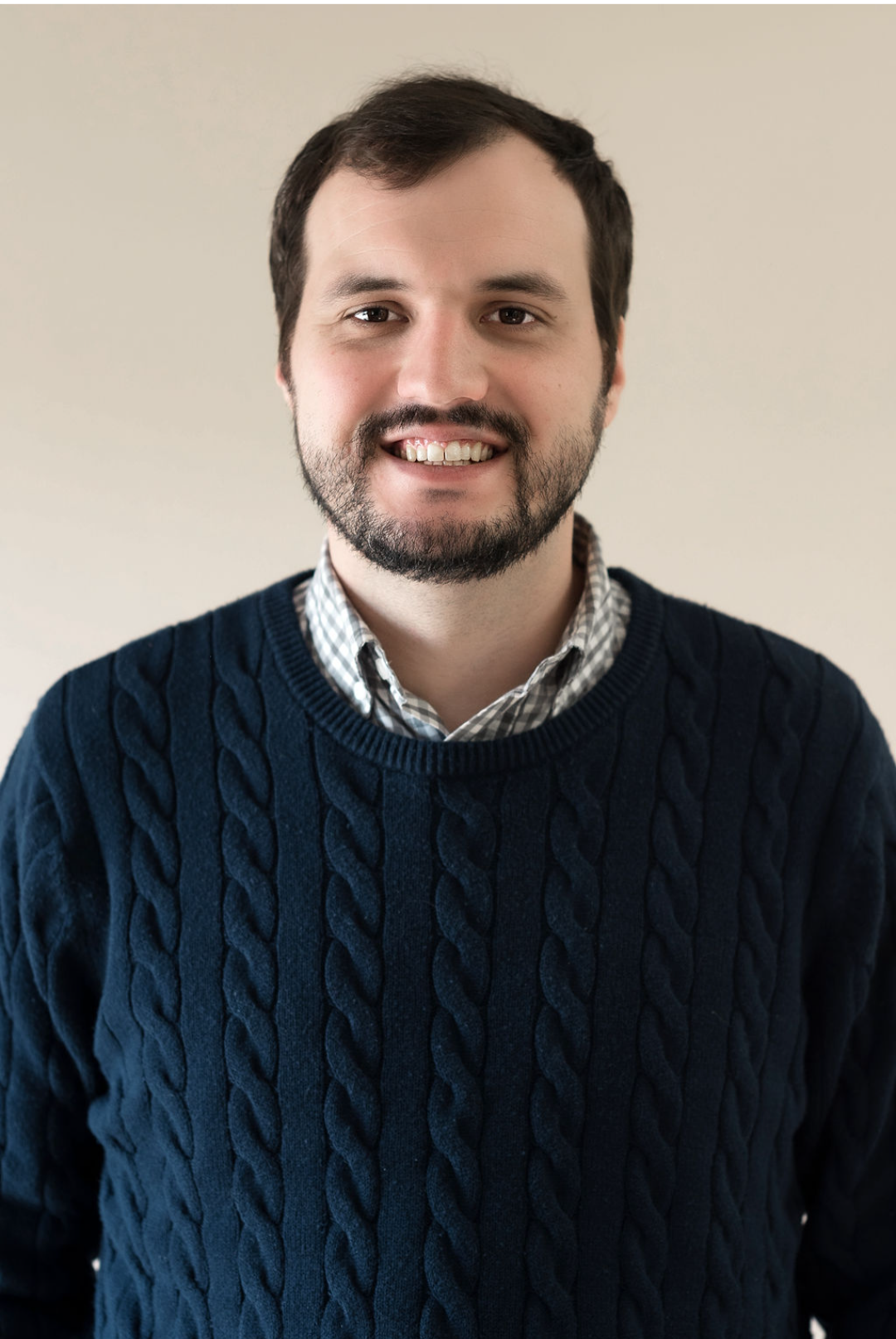
Ryan Collins PhD is an SEO Strategist at Go Fish Digital. Ryan completed his PhD in Media Arts and Sciences at Indiana University Bloomington in 2021. During his time at Indiana University, Ryan eventually pivoted into a career in SEO and Digital Marketing after having informational interviews with working professionals in SEO, working on side projects, and gaining industry experience.